
BACK TO BLOGS
Investment | September 24, 2026
By Megan Flake
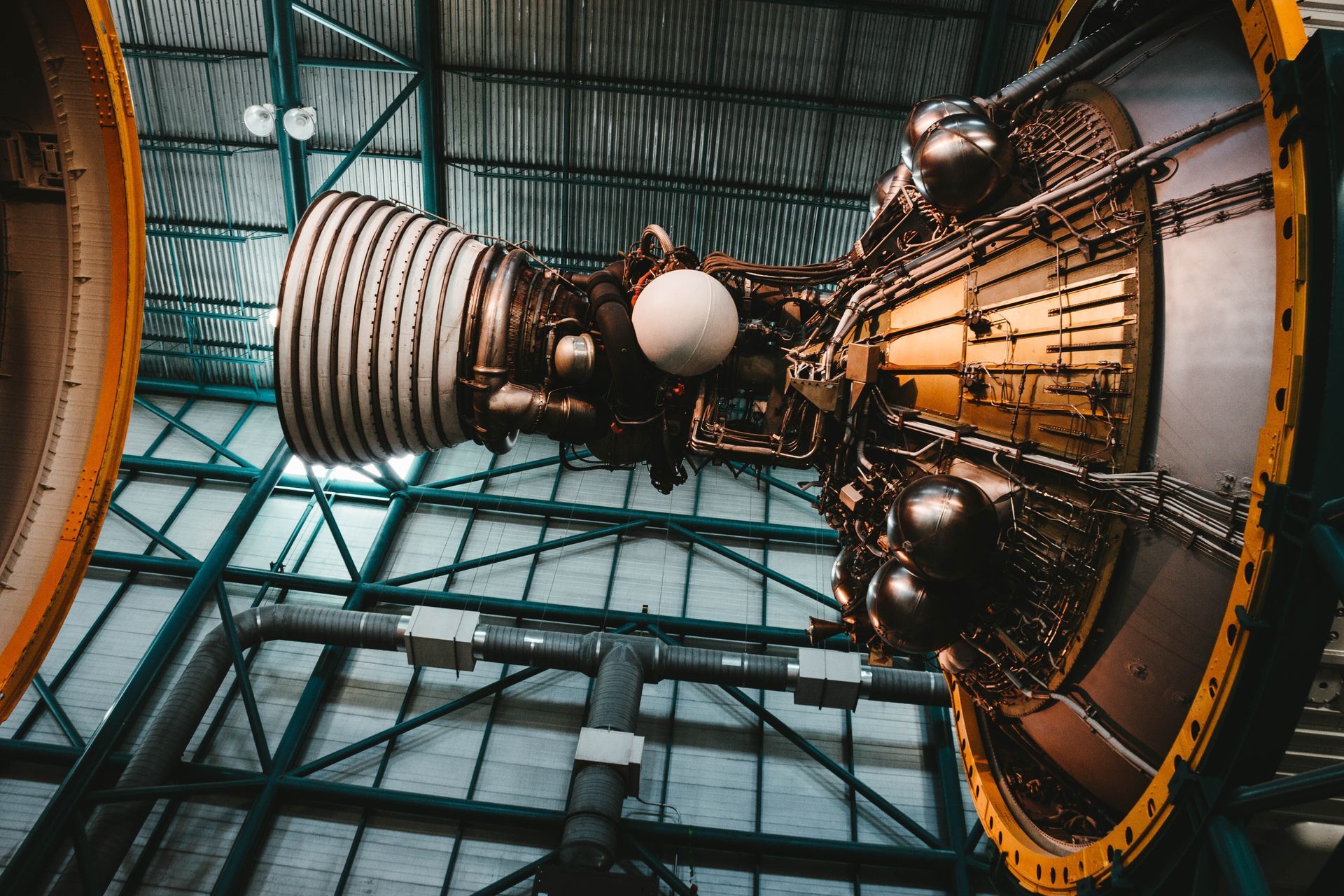
What Central Texas’ growing defense and aerospace sector means for industrial and flex owners.
The demand has already changed.
Since 2020, the Austin area has seen 54 new space and defense relocations and expansions, creating 6,338 jobs through May 2026, according to July reporting from the Austin American-Statesman.
What interests me most is what happens when those companies start looking for buildings.
Defense and aerospace users often need more than available square footage. Power, clear height, floor loading, controlled-access areas and specialized production requirements can quickly narrow the buildings that actually work.
If your property can support those needs, your real competitive set may be smaller than you think.
I’m also seeing companies grow on a different clock. A program award or production requirement can turn a future expansion into an immediate real estate need. And once a company installs equipment, qualifies its processes and invests heavily in a facility, relocating again isn’t necessarily simple.
That doesn’t mean every defense startup is automatically a strong tenant. I still look closely at funding, credit, guarantees, TI exposure and whether the business can support the lease.
A full building is not the goal. A tenant who is still there in year seven is.
Why Texas Is Getting More Attention From Defense & Advanced Manufacturing
What Megan heard firsthand at FED Supernova.
At FED Supernova in Austin, I had the opportunity to spend time with defense, aerospace, advanced manufacturing and technology companies from across the U.S. and internationally.
One theme kept coming up: Texas is on their radar.
Several companies I spoke with are evaluating relocations or expansions here. But choosing Texas is only the first decision.
The harder questions come next.
Where can they find the right facility? How quickly can they occupy it? Does the property have the infrastructure their operation requires? Can their workforce get there? Are suppliers nearby? And will the location still work when the company reaches its next stage of growth?
Those are the questions I care about in site selection because the right real estate is not simply available space. It has to fit the business.
Before real estate, I worked in operations and procurement at GE. That experience still shapes how I evaluate a property today. I want to understand what actually happens inside the building, what could create friction and what the business needs the real estate decision to make possible.
That is also why FED Supernova was valuable for me. I could hear directly from the founders, operators and investors building these companies before the real estate requirement even reaches the market.
I spend my days on the other end of that journey, helping aerospace, defense and advanced manufacturing companies find the buildings they grow into.
